
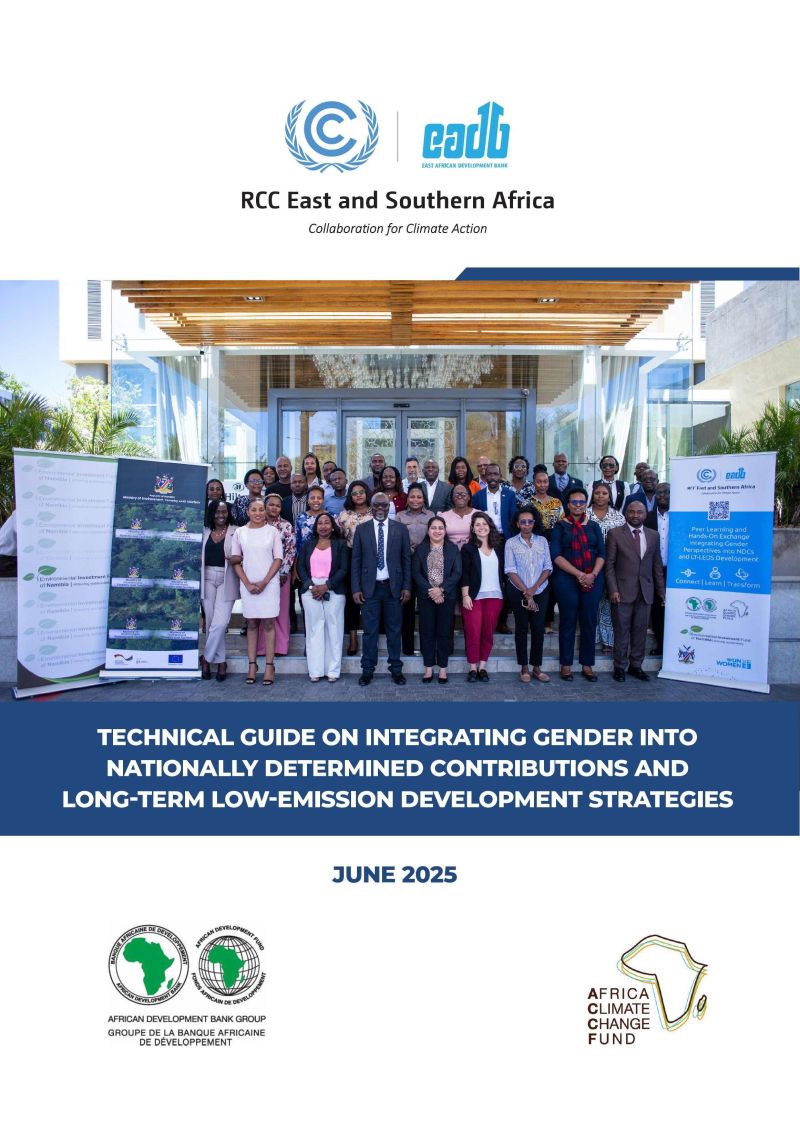
The guide comes at a critical time. While 82% of short-term national climate plans, known as Nationally Determined Contributions (NDCs), reference gender, this number drops to just 50% for long-term strategies, or Long-Term Low-Emission Development Strategies (LT-LEDS). Since LT-LEDS set the vision for decades to come, this disparity represents a significant missed opportunity for creating lasting, equitable change.
Moving from Responsive to Transformative
The new guide’s central message is to shift from a gender-responsive approach to a gender-transformative one. While gender-responsive policies acknowledge and address the specific needs of different genders, gender-transformative strategies go further. They aim to tackle the root causes of inequality, redistribute resources, and empower women and gender-diverse groups to actively shape climate policy.
To achieve this, the guide outlines a four-stage process:
- Scoping: Identifying the specific gender-related challenges and opportunities.
- Visioning: Developing a long-term vision that is equitable and inclusive.
- Scenario Analysis: Assessing how different climate pathways will impact various genders.
- Implementation Planning: Outlining concrete steps, tools, and budgets to put the strategies into action.
The guide provides practical tools, real-world examples, and case studies from countries like Uganda, Kenya, and Namibia, which are already using the framework to tailor best practices to their unique contexts in sectors such as agriculture and energy.
Key highlights and recommendations from the guide include:
- Mobilizing gender focal points: Ensuring dedicated experts are involved at every stage of climate policy development.
- Integrating gender-disaggregated data systems: Collecting data that separates information by gender to better understand impacts and track progress.
- Building gender-responsive budgeting frameworks: Allocating specific funds to initiatives that address gender inequality.
By using this guide, countries can ensure that their climate action plans are not only environmentally sound but also socially just, leading to more robust and sustainable outcomes for everyone. The guide is available for access on the UNFCCC website.
You Might Also Like
- ACCRCC Statement on the Draft Addis Ababa Declaration from the Second Africa Climate Summit
- London Climate Action Week 2025: from local action to global impact
- Delivering Climate finance: Progress and outcomes of the work of the Standing Committee on Finance
- A Greener Future for Africa: The Green Jobs Pavilion at ACS2
Comments (0)
No comments yet. Be the first to share your thoughts!
Leave a Comment
Your comment will be published after admin review.